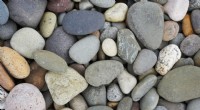
According to the U.S. Environmental Protection Agency, sand and gravel are granulated materials formed by the natural disintegration of rock or stone. These deposits are typically found near the Earth's surface and in moist environments, making them ideal for open‑pit mining and dredging operations.
Open‑pit extraction relies on heavy equipment such as power shovels, front‑end loaders, and conveyor systems. Materials are lifted from the surface and conveyed to processing facilities or storage sites.
Dredging uses bucket‑dredges and suction equipment mounted on barges. The technology is suited for deeper deposits and allows for precise removal of material from underwater or low‑lying areas.
Dr. Randall Schaetzl, professor of geology at the University of Michigan, emphasizes that the end use of sand dictates the mining method and site selection. Michigan is a major source of dune sand, which is prized for glass manufacturing and mold making where metal is unsuitable. Dune sand is typically extracted with front‑end loaders or cranes equipped with clamshell buckets and transported by trucks or conveyor belts to processing plants.
Sand dunes can also be mined via dredging or hydraulic techniques. A high‑pressure water jet washes sand into a pond, from which it is pumped to storage. For loose sandstone deposits, drilling and controlled blasting reduce the material to manageable fragments that are then loaded by front‑end loaders.
Upon arrival at the processing site, sand and gravel are sorted by size. A receiving hopper captures large clumps, after which vibrating screens separate materials into graded fractions. Gravel is washed and either further processed or stored, while sand is de‑impurified, screened, and dried before storage.
Natural gravel is preferred for construction due to its typically rounded edges. Near‑stream mining targets dry riverbeds during low‑water periods, whereas in‑stream methods employ backhoes for small streams or barges for larger rivers. Techniques include dredging, earth‑moving, and draglines—cable‑pulled buckets that efficiently move loose material.
The Ministry of Natural Resources in Malaysia recommends limiting gravel extraction to sites that minimize environmental impact. Gravel bars with sparse vegetation and loose material are ideal, as they reduce the risk of erosion and habitat disturbance.