Comstock Images/Stockbyte/Getty Images
Modern geologists rely on advanced technologies and rigorous scientific methods to pinpoint copper deposits. While the process has evolved, it remains grounded in a deep understanding of geology, meticulous fieldwork, and strict adherence to environmental regulations.
Reach out to the U.S. Geological Survey (USGS) for the latest “Copper Resources of the World” report. This comprehensive dataset identifies regions with the highest likelihood of significant copper reserves.
Choose a historically productive area—such as Arizona’s porphyry belt or Michigan’s Upper Peninsula—and travel there. Secure the necessary exploration permits from the relevant state authorities before commencing any on‑ground activities.
Look for large bodies of intrusive igneous rock. Copper‑rich porphyry deposits typically form within these formations and are surrounded by hydrothermally altered country rock.
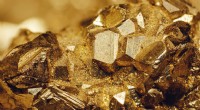
Greenish veins or ore fragments often signal copper mineralization. However, not every green color equals copper; additional confirmation is required.
Collect rock samples systematically and send them to a certified laboratory. A copper concentration expressed in parts per million (ppm) that meets or exceeds the economic cutoff—defined by the chosen extraction method—indicates a viable deposit.
While some geologists pan for copper or test soils near suspected sites, these surface tests can produce false positives due to industrial contamination. Always corroborate findings with laboratory analysis.
Obtain all required permits before beginning exploration; state regulations vary widely. Additionally, comply with the Environmental Protection Agency’s (EPA) environmental safeguards designed to protect ecosystems during exploration and mining.