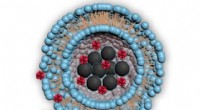
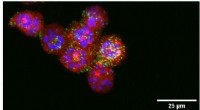
1. Uptake: Cells can take up micro- and nanoplastics through various mechanisms, such as phagocytosis (ingestion by cells), pinocytosis (cellular drinking), or micropinocytosis (uptake of small droplets). The size, shape, surface properties, and concentration of the plastics influence the uptake efficiency.
2. Cellular Damage: The presence of micro- and nanoplastics inside cells can cause physical damage to cellular structures, including the cell membrane, mitochondria, and nucleus. This damage can disrupt cellular functions, leading to reduced cell viability, growth inhibition, and even cell death.
3. Oxidative Stress: Micro- and nanoplastics can induce oxidative stress by generating reactive oxygen species (ROS) inside cells. ROS are highly reactive molecules that can cause damage to cellular components such as DNA, proteins, and lipids, leading to cellular dysfunction and toxicity.
4. Immune Response: The interaction of micro- and nanoplastics with immune cells can trigger immune responses. Some studies have reported the activation of immune cells, such as macrophages and neutrophils, upon exposure to plastics. However, the exact nature and extent of the immune response vary depending on the plastic type and the specific cellular context.
5. Gene Expression Changes: Micro- and nanoplastics can alter gene expression patterns in cells. These changes may involve the upregulation or downregulation of genes related to stress response, inflammation, cell cycle regulation, and apoptosis (programmed cell death).
6. Long-Term Effects: The long-term effects of micro- and nanoplastics on cells are still being investigated. Exposure to plastics over extended periods can lead to chronic toxicity, including impaired cell function, reduced reproductive capacity, and increased susceptibility to diseases.
It's important to note that the biological effects of micro- and nanoplastics can vary significantly depending on the specific type of plastic, its size, shape, surface characteristics, and the cell type being studied. Further research is needed to fully understand the mechanisms of interaction and the potential risks associated with micro- and nanoplastics.