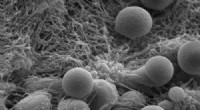
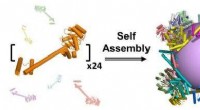
1. Drug delivery: Spider silk can be engineered to encapsulate and deliver drugs or therapeutic agents directly to tumor sites. Its biocompatibility and controllable biodegradability allow for sustained and targeted release of drugs, enhancing their effectiveness while minimizing systemic side effects.
2. Scaffolds for tissue engineering: Spider silk can serve as a scaffold for growing new tissues and organs. It provides a structural framework that mimics the natural extracellular matrix, supporting cell attachment, proliferation, and differentiation. Spider silk-based scaffolds have been explored for engineering tumor microenvironments, facilitating the study of cancer growth and metastasis.
3. Biosensors: Spider silk can be functionalized with specific biomolecules or peptides to create biosensors for detecting cancer biomarkers. These biosensors can be used for early cancer detection, monitoring disease progression, and assessing treatment response. The unique optical and mechanical properties of spider silk enhance the sensitivity and specificity of these sensing platforms.
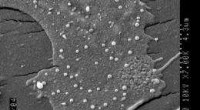
4. Cancer cell encapsulation: Spider silk can be used to encapsulate cancer cells, creating a controlled environment for studying tumor behavior. This allows researchers to investigate cell-cell interactions, metastasis mechanisms, and drug responses in a more physiologically relevant setting. Spider silk-based cell encapsulation systems can also contribute to the development of personalized medicine approaches.
5. Immunotherapy: Spider silk-based materials can be engineered to stimulate the immune system and enhance the efficacy of immunotherapies. For example, spider silk scaffolds can be used to deliver immune-modulating molecules or serve as a platform for immune cell growth and activation. This approach could improve the body's ability to recognize and eliminate cancer cells.
Overall, the exceptional mechanical strength, biocompatibility, and versatility of spider silk make it a promising biomaterial for cancer treatment and research. Further advancements in engineering and functionalization techniques are expected to unlock the full potential of spider silk in this field.