A recent study has shed light on the elaborate sensory mechanism employed by leaf-cutting ants to precisely determine the size of leaf portions they cut and transport back to their colonies. These ants are known for their remarkable ability to cultivate fungus gardens, and the size of the leaf pieces they collect is crucial for the growth and health of the fungus.
The study, conducted by a team of researchers from the University of California, Berkeley, and the Smithsonian Tropical Research Institute, focused on the species Atta cephalotes, one of the most common leaf-cutting ants found in Central and South America. Using high-speed videography and detailed behavioral observations, the scientists unraveled the intricate process by which these ants assess leaf size.
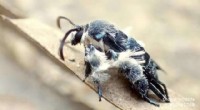
The ants initiate the leaf-cutting process by grasping the leaf edge with their mandibles. They then use their antennae to meticulously explore the leaf, sensing its shape and texture. This tactile examination enables them to determine the leaf's suitability for their fungus gardens.
Once a suitable leaf is identified, the ants begin cutting. Interestingly, they do not cut the leaf into uniform pieces. Instead, they exhibit a remarkable ability to adjust the size of the leaf portions based on the leaf's shape and size. This ensures that the ants optimize the utilization of the leaf material, minimizing wastage while meeting the specific requirements of their fungal colonies.
The researchers discovered that the ants' antennae play a crucial role in this size assessment process. The ants possess specialized sensory structures on their antennae, which allow them to detect minute differences in leaf thickness and rigidity. These sensory inputs are then processed by the ants' central nervous system, which calculates the appropriate cutting angle and portion size.
The study highlights the remarkable sensory capabilities and behavioral adaptations of leaf-cutting ants. Their ability to precisely gauge leaf portion size is essential for their survival and success as fungus-farming insects. Further understanding of these mechanisms could provide valuable insights into optimizing agricultural practices and developing innovative pest management strategies.