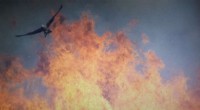
Wildfires are a natural part of many ecosystems, but climate change is increasing their frequency and severity. In Canada, the average annual area burned by wildfires has increased by more than 50% since the 1970s. This increase is due to a number of factors, including:
* Rising temperatures: Higher temperatures mean that fuels for wildfires, such as trees and brush, dry out more quickly and become more flammable.
* Earlier snowmelt: Earlier snowmelt means that the dry season begins earlier, giving wildfires more time to spread.
* Stronger winds: Stronger winds can fan the flames of wildfires and help them spread more quickly.
* Drought: Droughts can make vegetation more susceptible to burning, and can also reduce the availability of water for firefighting.
Public Health Impacts of Wildfires
Wildfires can have a number of negative impacts on public health, including:
* Respiratory problems: Wildfires can release a variety of pollutants into the air, including particulate matter, carbon monoxide, and ozone. These pollutants can cause respiratory problems such as asthma, bronchitis, and pneumonia.
* Cardiovascular problems: Wildfires can also increase the risk of cardiovascular problems, such as heart attacks and strokes. This is due to the stress and anxiety that can be caused by wildfires, as well as the exposure to air pollution.
* Mental health problems: Wildfires can also have a negative impact on mental health, causing anxiety, depression, and post-traumatic stress disorder (PTSD).
* Injuries: Wildfires can also cause injuries, such as burns, smoke inhalation, and musculoskeletal injuries.
* Deaths: Wildfires can also lead to death, either directly from the fire or from the complications of smoke inhalation.
Conclusion
Wildfires are a major threat to public health in Canada. Climate change is increasing the frequency and severity of wildfires, and this is expected to continue in the future. We need to take steps to adapt to this changing reality, including investing in wildfire prevention and preparedness, and providing support for communities that are affected by wildfires.