1. Deforestation and Climate Change Doom Loop:
- Deforestation: Clearing forests reduces the Earth's capacity to absorb carbon dioxide, contributing to rising greenhouse gas concentrations.
- Climate Change: Increased greenhouse gases lead to global warming and altered weather patterns, causing forests to become drier and more susceptible to wildfires.
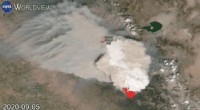
- Wildfires: Forest fires release even more carbon dioxide into the atmosphere, amplifying the greenhouse effect and exacerbating climate change.
- Reduced Carbon Sequestration: As forests decline, the capacity for carbon sequestration decreases, leading to a vicious cycle of increasing atmospheric carbon dioxide levels.
2. Coral Bleaching and Ocean Acidification Doom Loop:
- Ocean Warming: Rising ocean temperatures caused by climate change stress corals, leading to coral bleaching.
- Coral Bleaching: Bleached corals are more vulnerable to disease and death, leading to declining coral reef ecosystems and reduced marine biodiversity.
- Reduced Biodiversity: Fewer coral reefs mean less shelter and food for marine species, further depleting fish stocks and impacting the entire marine food web.
- Ocean Acidification: Increased carbon dioxide levels in the oceans lead to ocean acidification, making it harder for corals to build their calcium carbonate skeletons.
3. Permafrost Melting and Methane Release Doom Loop:
- Warming Arctic: Climate change causes permafrost in the Arctic to melt, releasing methane, a potent greenhouse gas.
- Increased Methane: Released methane contributes to global warming, further melting permafrost and releasing even more methane.
- Amplified Warming: The feedback loop amplifies global warming, triggering further changes in weather patterns and disrupting sensitive ecosystems.
4. Amazon Dieback and Regional Climate Change Doom Loop:
- Deforestation: Clearance of Amazon rainforest reduces the region's evapotranspiration, affecting local and regional rainfall patterns.
- Reduced Rainfall: Decreased rainfall leads to forest degradation and dieback, causing further loss of water vapor release into the atmosphere.
- Drier Conditions: Reduced evapotranspiration leads to drier conditions in the region, worsening drought and increasing the risk of wildfires.
These doom-loops illustrate how various natural processes can become self-reinforcing, leading to rapid and severe environmental degradation. The challenges lie in accurately predicting the tipping points at which these feedback mechanisms become irreversible and in devising effective strategies to prevent or minimize their impacts. Protecting vulnerable ecosystems, reducing carbon emissions, and implementing sustainable land-use practices are essential steps in mitigating the potential consequences of ecological doom-loops and ensuring a more resilient and sustainable planet.