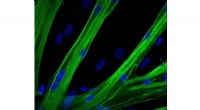
1. Nucleus:
* The control center: It houses the cell's DNA, which contains the instructions for building and maintaining the cell.
* Transcription: DNA is copied into RNA, which carries the instructions out of the nucleus.
2. Ribosomes:
* Protein factories: They read the RNA instructions and assemble amino acids into proteins.
* Found: In the cytoplasm (fluid inside the cell) and attached to the endoplasmic reticulum.
3. Endoplasmic Reticulum (ER):
* Two types:
* Rough ER: Studded with ribosomes, it produces proteins that are exported from the cell or used in membranes.
* Smooth ER: Lacks ribosomes, it synthesizes lipids (fats) and steroids, detoxifies the cell, and stores calcium.
4. Golgi Apparatus:
* Packaging and shipping center: It modifies, sorts, and packages proteins and lipids made in the ER.
* Vesicles: Tiny sacs that bud off the Golgi and transport molecules throughout the cell.
5. Mitochondria:
* Powerhouses: They convert glucose into energy (ATP) through cellular respiration.
* Have their own DNA: They are thought to have evolved from bacteria that were engulfed by early cells.
6. Lysosomes:
* Recycling centers: They break down worn-out cell parts, food particles, and invading bacteria.
* Digestive enzymes: Contain powerful enzymes that can digest almost any biological molecule.
7. Vacuoles:
* Storage compartments: They store water, nutrients, and waste products.
* Large in plant cells: Provide structural support and regulate turgor pressure.
8. Cytoskeleton:
* Internal skeleton: Provides structural support and helps the cell maintain its shape.
* Transportation: Acts as a network of tracks for moving molecules and organelles within the cell.
9. Centrioles:
* Cell division: Involved in the formation of microtubules, which play a role in cell division.
* Animal cells only: Plant cells have microtubule organizing centers but lack centrioles.
10. Cell Wall (Plants only):
* Outer layer: Provides support and protection to the cell.
* Made of cellulose: A tough, fibrous substance that gives plants their rigid structure.
11. Chloroplasts (Plants only):
* Photosynthesis: Use sunlight, water, and carbon dioxide to produce sugar (food) for the plant.
* Contain chlorophyll: The pigment that gives plants their green color and absorbs sunlight.
This is just a brief overview. Each organelle plays a vital role in the life of a cell, and they all work together to maintain the cell's functions.