Here's a breakdown of key characteristics:
Shape:
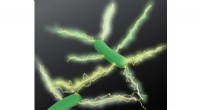
* Rod-shaped
* Can be short and plump or long and slender
Size:
* Typically smaller than cocci, ranging from 0.5 to 10 micrometers in length
Structure:
* Most bacilli have a rigid cell wall that maintains their rod-like shape.
* Some bacilli have flagella, which are whip-like structures that help them move.
* Others may have capsules which protect them from the environment.
Reproduction:
* Binary fission - dividing in half to create two identical daughter cells.
Examples:
* Bacillus anthracis (causes anthrax)
* Bacillus subtilis (found in soil, often used in probiotics)
* Escherichia coli (found in the human gut, some strains can cause illness)
* Salmonella enterica (causes food poisoning)
* Mycobacterium tuberculosis (causes tuberculosis)
Importance:
* Beneficial: Some bacilli are essential for human health and play important roles in the environment.
* Pathogenic: Others can cause a range of diseases in humans and animals.
Key points to remember:
* Bacilli are rod-shaped bacteria.
* They come in different sizes and structures.
* They can be both beneficial and harmful.
It's important to note that not all rod-shaped bacteria are considered "bacilli." The term "bacillus" specifically refers to a genus of bacteria, while "bacilli" refers to the shape itself.