Abiotic resources are the non-living components of an ecosystem. They are essential for life but don't have cells, don't reproduce, and don't require energy to survive. Think of them as the "building blocks" that support all living organisms. Here are some key examples:
1. Sunlight: The ultimate source of energy for almost all life on Earth. Plants use sunlight for photosynthesis, producing food for themselves and ultimately, for all other organisms.
2. Air: The mixture of gases surrounding the Earth, providing essential elements like oxygen for respiration and nitrogen for plant growth.
3. Water: A crucial solvent for life processes and a vital component of all living things. It helps in nutrient transport, temperature regulation, and many other important functions.
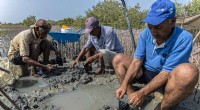
4. Soil: The loose, weathered layer of the Earth's surface, providing anchorage for plants and a source of minerals. Soil quality plays a crucial role in supporting plant life and, consequently, the entire food web.
5. Minerals: Inorganic elements found in rocks, soil, and water. They are essential for plant and animal growth, playing various roles in bodily functions.
6. Fossil fuels: Derived from the remains of ancient organisms over millions of years. They are a major source of energy for humans, powering our industries and transportation.
7. Land: The solid surface of the Earth, providing space for living organisms, resources, and human settlements.
8. Metals: Elements found in the Earth's crust, often extracted and processed for use in various industries and technologies.
9. Climate: The long-term weather patterns of a region, influencing plant and animal distribution and ecosystem stability.
Why are abiotic resources important?
* Essential for Life: They provide the basic building blocks and environmental conditions necessary for life to exist and thrive.
* Fueling Ecosystems: They support the growth and development of plants and animals, forming the foundation of food webs.
* Human Needs: We rely on abiotic resources for food production, energy, shelter, and many other aspects of human life.
It's crucial to use abiotic resources responsibly:
* Sustainable Practices: We must use these resources wisely to ensure their availability for future generations.
* Conservation Efforts: Protecting natural ecosystems helps preserve the quality and availability of abiotic resources.
* Renewable Sources: Developing and utilizing renewable energy sources reduces our dependence on non-renewable fossil fuels.
Understanding the role of abiotic resources in our environment is essential for making informed decisions about their use and conservation.