1. The organism's role in the food web:
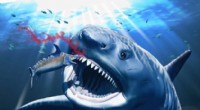
* Predator: Removing a predator can lead to an increase in the population of its prey, which can then overgraze their food source, leading to a decline in that population and potentially causing a domino effect.
* Prey: Removing a prey species can cause a decline in the population of its predators, leading to potential food shortages and competition for resources.
* Decomposer: Removing a decomposer can lead to an accumulation of dead organic matter, disrupting nutrient cycling and altering soil composition.
* Keystone species: These species have a disproportionately large impact on their ecosystem. Removing a keystone species can drastically alter the community structure, potentially leading to the extinction of other species.
2. The organism's abundance and geographic range:
* Removing a rare organism may have little impact, while removing a common species can have significant consequences.
* Removing an organism from a small, isolated ecosystem can have a greater impact than removing it from a larger, connected ecosystem.
Possible effects of removing an organism from a food web:
* Population fluctuations: Increases or decreases in the populations of other organisms, depending on their relationship with the removed organism.
* Extinction: The removed organism itself may become extinct, and other species reliant on it could follow suit.
* Changes in community structure: Shifts in the types and abundance of different species within the ecosystem.
* Altered ecosystem processes: Changes in nutrient cycling, energy flow, and overall productivity.
* Loss of biodiversity: Reduction in the variety of species within the ecosystem.
* Increased vulnerability to invasive species: Open niches can be filled by non-native species, potentially disrupting the ecosystem further.
Examples:
* Removal of wolves from Yellowstone National Park: Led to an overgrazing of elk, which decimated willow and aspen populations, affecting other species that rely on those trees for habitat and food.
* Overfishing of cod in the North Atlantic: Caused a decline in populations of other species that feed on cod, and ultimately led to changes in the entire ecosystem structure.
In conclusion, removing an organism from a food web can have significant and far-reaching consequences, impacting the entire ecosystem. Understanding these complex interactions is crucial for conservation efforts and ensuring the long-term health of our planet.