* Plants: Food crops, timber, medicinal plants, fibers, rubber, and other raw materials.
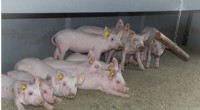
* Animals: Food, fur, leather, wool, and other products, as well as livestock for work and transportation.
* Microorganisms: Used in various industries like food production (fermentation), pharmaceuticals (antibiotics), and bioremediation.
* Biodiversity: The variety of life on Earth, which provides ecosystem services like pollination, water purification, and climate regulation.
Essentially, anything that comes from a living organism and benefits humans can be considered a biotic resource.
Here are some key points about biotic resources:
* Renewable: They are capable of regeneration, but overuse or mismanagement can lead to depletion.
* Essential for human survival: They provide food, shelter, clothing, medicine, and other vital resources.
* Vulnerable to environmental change: Climate change, habitat loss, and pollution can negatively impact biotic resources.
* Subject to conservation efforts: Efforts are made to ensure sustainable use and preservation of these valuable resources.
Understanding biotic resources is crucial for sustainable development and ensuring the long-term well-being of both humans and the planet.