The rate of decomposition depends on a number of factors, including:
* The type of organism: Some organisms decompose more quickly than others. For example, soft-bodied animals and plants decompose more quickly than hard-bodied organisms.
* The environment: The temperature, moisture, and oxygen levels in the environment can affect the rate of decomposition. Decomposition occurs more quickly in warm, moist environments with plenty of oxygen.
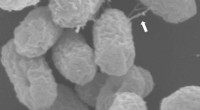
* The presence of microorganisms: The type and amount of microorganisms present in the environment can affect the rate of decomposition. Some microorganisms are more efficient at decomposing organic matter than others.
Decomposition is a natural process that is essential for the cycling of nutrients in the ecosystem. It helps to break down dead organic matter and release nutrients back into the environment, which can then be used by plants and animals. Decomposition also helps to recycle carbon and other elements through the ecosystem.