Differential Survival and Reproduction: In a given environment, individuals with certain traits may have a better chance of surviving and reproducing compared to individuals without those traits. These advantageous traits are more likely to be passed on to the next generation, as individuals with those traits tend to produce more offspring.
Fitness: The concept of fitness is crucial in natural selection. Fitness refers to an individual's ability to survive and produce fertile offspring in a specific environment. Traits that increase an individual's fitness, such as better camouflage, enhanced foraging abilities, or resistance to diseases, are more likely to be favored by natural selection.
Competition and Adaptation: Natural selection operates in the context of competition for limited resources, such as food, water, shelter, and mates. Individuals with heritable traits that enhance their chances of obtaining these resources are more likely to survive and reproduce. Over time, these beneficial traits become more common in the population.
Changing Environments: Environmental changes can give certain heritable traits a selective advantage. For example, in response to climate change, traits that aid in thermoregulation or water conservation may become more favorable, leading to the survival of individuals with those traits.
Examples of Favored Traits:
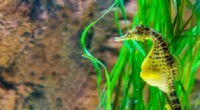
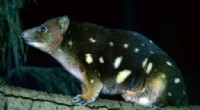
- Camouflage: Prey species may develop coloration that helps them blend with their surroundings, reducing the risk of predation.
- Speed and Agility: Predators may evolve increased speed and agility to enhance their hunting abilities.
- Disease Resistance: Individuals with genetic resistance to specific diseases may have higher survival rates during epidemics.
- Social Behavior: In social species, traits that promote cooperation and effective communication may increase an individual's chances of survival and reproduction.
Natural selection acts on heritable traits, meaning that these traits are passed down from parents to offspring through genes. Over multiple generations, the advantageous traits become more prevalent in the population through a process known as evolution.