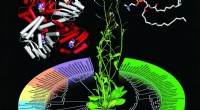
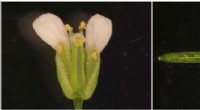
* Genetic engineering: Scientists have developed genetically engineered crops that are more resistant to pests and diseases, and that produce more grain. For example, Bt corn is a genetically engineered corn that is resistant to the European corn borer, a major pest of corn. Roundup Ready soybeans are genetically engineered soybeans that are resistant to the herbicide glyphosate, which allows farmers to spray their fields with this herbicide to kill weeds without harming the soybeans.
* Precision agriculture: Precision agriculture is a farming management concept based on observing, measuring and responding to inter and intra-field variability in crops. Precision agriculture technology uses a variety of tools to collect data about soil conditions, plant growth, and water usage. This data is then used to make decisions about how to best manage the crops, such as when to plant, how much water to apply, and how much fertilizer to use. For example, a farmer might use a soil moisture sensor to determine when to irrigate their crops, or a yield monitor to determine which areas of their fields are producing the most grain.
* Irrigation: Irrigation is the process of providing water to crops through artificial means. This can be done using a variety of methods, such as sprinklers, drip irrigation, and flood irrigation. Irrigation allows farmers to grow crops in areas that would otherwise be too dry to support agriculture.
* Fertilizers: Fertilizers are substances that are added to the soil to provide nutrients for plants. Fertilizers can be organic or inorganic. Organic fertilizers are derived from plant or animal materials, such as compost or manure. Inorganic fertilizers are produced from minerals, such as nitrogen, phosphorus, and potassium. Fertilizers help crops to grow healthier and produce more grain.
* Pest and disease management: Farmers use a variety of methods to manage pests and diseases, such as crop rotation, pesticides, and fungicides. Crop rotation is the practice of growing different crops in the same field in a sequence to help control pests and diseases. Pesticides are chemicals that are used to kill pests, such as insects, mites, and fungi. Fungicides are chemicals that are used to kill fungi.
By using these scientific advances, farmers are able to overcome many of the challenges of producing agricultural crops. Today's farmers can produce more food on less land, with less labor, and with less environmental impact than farmers of the past.