Natural Phenomena:
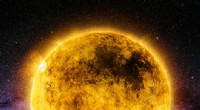
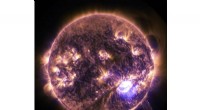
* Solar Eclipse: A total or partial solar eclipse is the most likely explanation for a darkening sky at noon.
* Dense Cloud Cover: Thick, dark clouds blocking the sun can cause a dramatic darkening of the sky.
* Dust Storm or Sandstorm: These events can significantly reduce sunlight and create an eerie, dark sky.
* Volcanic Ash: Volcanic eruptions can release large amounts of ash into the atmosphere, causing a noticeable darkening.
Other Possibilities:
* Smoke or Pollution: Large-scale fires or industrial pollution can cause haze and reduce sunlight, leading to a darkened sky.
* Atmospheric Event: Unusual weather patterns or atmospheric conditions could temporarily block sunlight, making the sky appear darker.
It's important to consider your location and any other observable phenomena before drawing a firm conclusion. For example:
* If you are in a region prone to eclipses and see a darkening sky accompanied by a gradual dimming of light and a strange coolness, a solar eclipse is a likely cause.
* If you are in a dry, arid area and see a darkening sky with swirling dust, a dust storm is more probable.
If you're concerned, it's best to check local weather reports or news for updates.