Physics & Astronomy:
* Astrophysics: Studying the physical properties and evolution of celestial objects like stars, planets, galaxies, and black holes.
* Cosmology: Understanding the origin, structure, and evolution of the universe.
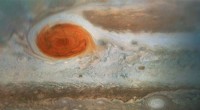
* Planetary Science: Investigating the formation, composition, and environments of planets and other celestial bodies.
* Space Physics: Studying the Sun, solar wind, and other space phenomena, like radiation belts and magnetic fields.
Engineering:
* Aerospace Engineering: Designing, developing, and testing spacecraft, rockets, and other flight systems.
* Mechanical Engineering: Developing and improving mechanical systems for spacecraft, including propulsion, landing gear, and robotic arms.
* Electrical Engineering: Designing and implementing power systems, communication systems, and other electrical components for spacecraft.
* Computer Science: Developing software and algorithms for spacecraft control, data analysis, and mission operations.
Earth Science:
* Geology: Studying Earth's rocks, minerals, and landforms.
* Oceanography: Investigating the oceans, including their currents, tides, and marine life.
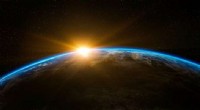
* Atmospheric Science: Understanding Earth's atmosphere, weather patterns, and climate change.
* Environmental Science: Studying the interactions between Earth's systems and human activities.
Biology & Medicine:
* Astrobiology: Studying the possibility of life beyond Earth and the conditions necessary for life to exist.
* Human Physiology: Studying the effects of spaceflight on the human body and developing technologies to mitigate those effects.
* Biotechnology: Developing and applying biological tools for space exploration, such as for bio-remediation or producing food in space.
Mathematics & Statistics:
* Mathematical Modeling: Using mathematical equations to simulate and predict physical phenomena in space.
* Statistics: Analyzing and interpreting data collected from spacecraft and Earth observations.
Other Important Areas:
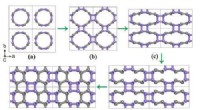
* Materials Science: Developing new materials for spacecraft construction and space exploration.
* Chemistry: Studying the composition of celestial bodies and the chemical reactions that occur in space.
* Psychology: Understanding the psychological effects of long-duration space missions and developing strategies for maintaining crew well-being.
NASA's work encompasses a wide range of scientific disciplines and requires collaboration among experts from different fields. This interdisciplinary approach drives innovation and allows for a more comprehensive understanding of the universe and our place in it.