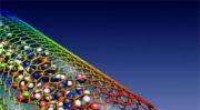
* Enhanced electrical conductivity: Projections and humps can increase the surface area of graphene, which can improve its electrical conductivity. This makes graphene a promising material for use in electronic devices, such as transistors and solar cells.
* Increased mechanical strength: Projections and humps can also increase the mechanical strength of graphene. This makes graphene a good material for use in structural applications, such as in composites and armor.
* Improved thermal conductivity: Projections and humps can increase the thermal conductivity of graphene. This makes graphene a potential material for use in thermal management applications, such as in heat sinks and thermal insulators.
* Enhanced optical properties: Projections and humps can also alter the optical properties of graphene. This makes graphene a promising material for use in optical applications, such as in lasers and sensors.
* Increased surface reactivity: Projections and humps can increase the surface reactivity of graphene. This makes graphene a good material for use in chemical sensing and catalysis.
Overall, projections and humps in graphene can be good for a variety of applications. These features can improve the electrical conductivity, mechanical strength, thermal conductivity, optical properties, and surface reactivity of graphene. This makes graphene a promising material for use in a wide range of applications, from electronics to structural materials to chemical sensors.