* Material composition: The composition of a biomaterial can have a significant impact on its performance. For example, materials that are composed of hydrophilic polymers tend to be more biocompatible than those that are composed of hydrophobic polymers.
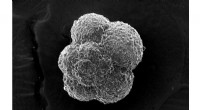
* Material structure: The structure of a biomaterial can also affect its performance. For example, materials that have a porous structure tend to be more permeable to nutrients and oxygen than those that have a dense structure.
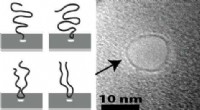
* Surface modifications: The surface of a biomaterial can be modified to improve its performance. For example, materials that are coated with a bioactive material can be more easily integrated into the body.
By carefully controlling the material's properties and structure, it is possible to program and predict the material's performance. This is essential for the development of new biomaterials that can meet the specific needs of different medical applications.
Here are some specific examples of how biomaterial performance can be programmed and predicted:
* Drug delivery: Biomaterials can be programmed to release drugs at a controlled rate. This can be achieved by using a material that is biodegradable or by incorporating a drug delivery system into the material.
* Tissue regeneration: Biomaterials can be used to promote tissue regeneration. This can be achieved by using a material that is similar to the natural extracellular matrix or by incorporating growth factors into the material.
* Implantable devices: Biomaterials can be used to create implantable devices. These devices can be used to replace damaged tissue or to treat diseases. By carefully controlling the material's properties and structure, it is possible to ensure that the device is compatible with the body and that it will function properly.
Biomaterial performance can be programmed and predicted by carefully controlling the material's properties and structure. This is essential for the development of new biomaterials that can meet the specific needs of different medical applications.