Microplastics are small pieces of plastic less than 5 millimeters in length that come from various sources, including plastic bags, bottles, and straws. They are a significant source of pollution in our oceans and waterways and can harm marine life by blocking their digestive systems, causing inflammation, and reducing their ability to reproduce.
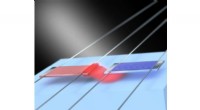
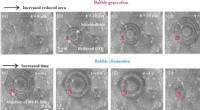
In the new study, published in the journal Nature Communications, researchers from the University of California, Irvine (UCI), and the Swiss Federal Institute of Aquatic Science and Technology (Eawag) used high-speed cameras to capture the interactions between water striders and microplastics. They found water striders created waves on the water's surface that pushed microplastics underwater, preventing them from floating on the surface and potentially entering the food chain.
"Our findings suggest that water striders play a role in mitigating microplastic pollution by keeping microplastics underwater and out of reach of marine life," said David Hu, a professor of mechanical and aerospace engineering at UCI and the study's senior author. "This is the first study to show how water striders interact with microplastics and highlights the potential role that insects can play in reducing the environmental impact of plastic pollution."
The researchers believe this discovery has implications for understanding the fate and transport of microplastics in aquatic ecosystems and could lead to new strategies for mitigating microplastic pollution.
"By understanding the interactions between water striders and microplastics, we can develop new ways to prevent microplastics from entering the marine food chain and reduce the risks they pose to marine life," said Hu.
The study's findings also highlight the importance of considering the role of insects and other organisms in mitigating the impacts of human activities on the environment.