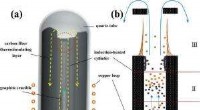
DNA nanowires are constructed by arranging DNA molecules into a specific configuration that allows for the transport of electrical charges. In the study, the researchers used a technique called "DNA origami" to create these nanowires, which involved folding single-stranded DNA molecules into a desired shape and then attaching them to a gold surface.
The resulting DNA nanowires were found to be highly conductive, with a resistance of only a few hundred ohms. This is comparable to the resistance of copper nanowires, which are commonly used in electronics. The researchers also demonstrated that the DNA nanowires could be used to create transistors, the fundamental building blocks of computers.
The ability to conduct electricity using DNA-based nanowires holds significant implications for the future of computing. DNA is a versatile molecule that can be easily manipulated and programmed, making it an attractive material for constructing nanoelectronic devices. Additionally, DNA is naturally biodegradable and biocompatible, potentially allowing for the development of more environmentally friendly and biocompatible electronics.
However, there are still significant challenges that need to be overcome before DNA nanowires can be used in practical applications. One challenge is the need to improve the stability of DNA nanowires, as they are susceptible to degradation by enzymes and other environmental factors. Another challenge is the need to develop methods for mass-producing DNA nanowires in a cost-effective manner.
Despite these challenges, the successful demonstration of electrical conduction using DNA-based nanowires represents a promising step towards the realization of DNA-based computers and other nanoelectronic devices. As research in this field progresses, we can expect to see further advancements and innovations that bring us closer to the era of genetic computing.