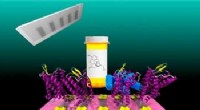
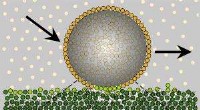
A team of scientists from the University of California, Berkeley, has developed a new method for detecting precancerous conditions using nanodiamonds. The method, which is described in a paper published in the journal Nature Nanotechnology, involves using nanodiamonds to target and image specific proteins that are associated with cancer.
Nanodiamonds are tiny diamonds that are only a few nanometers in size. They are biocompatible and can be easily modified to target specific molecules. In this study, the scientists attached antibodies to the nanodiamonds that were specific for a protein called p53.
p53 is a tumor suppressor protein that is involved in regulating cell growth and division. Mutations in the p53 gene are common in cancer, and the loss of p53 function can lead to uncontrolled cell growth and the development of cancer.
The scientists found that the nanodiamonds were able to target and image p53 in precancerous cells. This allowed them to identify precancerous conditions before they developed into full-blown cancer.
The scientists believe that their new method could be used to detect precancerous conditions early enough to allow for effective treatment. This could potentially save the lives of millions of people who die from cancer each year.
How the Method Works
The method involves using nanodiamonds to target and image specific proteins that are associated with cancer. Nanodiamonds are tiny diamonds that are only a few nanometers in size. They are biocompatible and can be easily modified to target specific molecules.
In this study, the scientists attached antibodies to the nanodiamonds that were specific for a protein called p53. p53 is a tumor suppressor protein that is involved in regulating cell growth and division. Mutations in the p53 gene are common in cancer, and the loss of p53 function can lead to uncontrolled cell growth and the development of cancer.
The nanodiamonds were then injected into mice that had precancerous conditions. The nanodiamonds were able to target and image p53 in the precancerous cells. This allowed the scientists to identify precancerous conditions before they developed into full-blown cancer.
Potential Applications
The scientists believe that their new method could be used to detect precancerous conditions early enough to allow for effective treatment. This could potentially save the lives of millions of people who die from cancer each year.
The method could also be used to develop new drugs that target p53 and other proteins that are associated with cancer. This could lead to the development of more effective treatments for cancer.
Conclusion
The discovery of a new method for detecting precancerous conditions with nanodiamonds is a major breakthrough in the fight against cancer. This method has the potential to save the lives of millions of people who die from cancer each year.