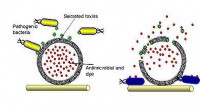
1. Silver Nanoparticles: Silver nanoparticles are widely used in food packaging, water filters, and other kitchen appliances due to their antimicrobial properties. They are effective against a wide range of bacteria and can migrate from these surfaces into food or beverages that come in contact with them.
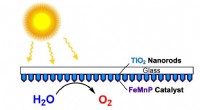
2. Titanium Dioxide Nanoparticles: Titanium dioxide nanoparticles are often used in self-cleaning surfaces and countertops. They can shed into the environment when exposed to sunlight or heat, potentially contaminating food or air.
3. Copper Nanoparticles: Copper nanoparticles can be found in kitchen utensils, cookware, and water purification systems. Although copper is known to have antibacterial properties, excessive release of copper nanoparticles into food or water can pose health risks.
4. Zinc Oxide Nanoparticles: Zinc oxide nanoparticles are commonly used in food packaging and storage containers due to their antimicrobial activity. They can potentially migrate into food and have raised concerns regarding their potential toxicity.
It's important to note that the release of antimicrobial nanoparticles from kitchen items can depend on various factors such as the type of material, the manufacturing process, the duration of use, and environmental conditions. Regulatory guidelines and standards exist to control the release of these nanomaterials and minimize their potential risks.
If you are concerned about the potential shedding of antimicrobial nanoparticles from kitchen items, you can consider using alternative materials such as glass, stainless steel, or bamboo, which are less likely to release nanomaterials. Additionally, you can opt for products that have been independently tested and certified to be free from harmful substances.