* Medical School Requirements: Most medical schools require a strong foundation in science, including physics. Physics is often a prerequisite for pre-med courses like biology, chemistry, and anatomy.
* Understanding the Body's Mechanics: Physics plays a crucial role in understanding how the human body works. Concepts like mechanics, fluid dynamics, and thermodynamics are essential for grasping how the circulatory system, respiratory system, and other bodily functions operate.
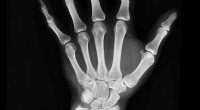
* Medical Imaging and Technology: Many medical technologies, like X-rays, MRIs, and ultrasound machines, rely on principles of physics. Doctors need to understand these principles to interpret imaging results effectively.
* Treatment and Procedures: Physics is fundamental to many medical treatments and procedures. Understanding radiation therapy, laser surgery, and even the basic function of medical devices like ventilators requires knowledge of physics.
While it's technically possible to become a doctor with a limited physics background, it would be incredibly challenging and may limit your career options. It's essential to have a solid understanding of physics to truly excel as a medical professional.
Here are some alternative career paths if you're not passionate about physics:
* Nursing: Nurses play a vital role in healthcare, providing direct patient care and working closely with doctors.
* Medical Technologist: These professionals perform laboratory tests and analyze samples, contributing to diagnosis and treatment.
* Physical Therapist: Physical therapists help patients recover from injuries and illnesses using their understanding of human anatomy and movement.
* Pharmacist: Pharmacists dispense medications and provide advice on their proper use.
Ultimately, the best career path for you depends on your interests and abilities. If you're passionate about medicine but not physics, explore alternative healthcare roles that align with your strengths.