Here's a breakdown:
* Convection is a process where heat is transferred through the movement of fluids (liquids or gases).
* Fluids are substances that can flow and change shape easily.
* Particles in a fluid move and collide with each other, transferring energy (heat) in the process.
How it works:
1. Heating: When a fluid is heated, the particles near the heat source gain energy and move faster.
2. Expansion and Rising: The hotter, less dense fluid rises due to buoyancy.
3. Cooling and Sinking: As the heated fluid rises, it cools and becomes denser. The cooler, denser fluid then sinks.
4. Circulation: This continuous process of rising and sinking creates a circular pattern of fluid movement, known as convection currents.
Examples of Convection:
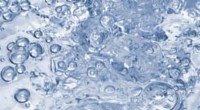
* Boiling water: Heat from the stove bottom transfers to the water, causing convection currents that circulate the heat throughout the pot.
* Air circulation in a room: Warm air from a heater rises, while cooler air sinks, creating convection currents that distribute the heat.
* Ocean currents: The sun's heat warms the ocean surface, creating convection currents that drive global ocean circulation.