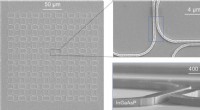
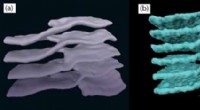
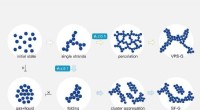
A notable breakthrough in 3D printing for medical applications is the development of a novel 3D printing method that utilizes a combination of inkjet printing and electrospinning. This technique, known as "bioprinting," allows for the precise deposition of biocompatible materials, such as cells, growth factors, and scaffolds, to create functional biological structures.
One potential application of bioprinting is the creation of "Band-Aids for the heart." These 3D printed patches can be designed to repair damaged heart tissue after a heart attack or other forms of cardiac injury. The patches can be customized to the patient's specific needs and seeded with the patient's own cells to promote tissue regeneration.
The advantage of using bioprinting for cardiac repair lies in its ability to create structures with complex architectures that mimic the natural heart tissue. This level of precision is essential for ensuring proper functionality and integration with the surrounding tissue. Additionally, bioprinting enables the controlled delivery of therapeutic agents, such as growth factors, directly to the damaged area, enhancing the healing process.
Beyond cardiac repair, bioprinting holds promise in a wide range of medical applications, including:
- Tissue engineering: Creating replacement tissues and organs, such as skin grafts, cartilage, and bone, for transplant.
- Drug testing: Fabricating 3D models of organs or tissues to test drug responses and toxicity in a controlled environment.
- Personalized medicine: Producing patient-specific medical devices and implants, such as dental crowns, surgical guides, and prosthetics, tailored to individual anatomies.
- Regenerative medicine: Bioprinting scaffolds and structures to promote tissue regeneration and repair.
The field of 3D bioprinting is rapidly advancing, with significant advancements in materials, techniques, and precision. As the technology matures, it has the potential to revolutionize the way we treat and repair damaged or diseased tissues, leading to improved patient outcomes and a more personalized approach to healthcare.