1. Habitat Loss and Fragmentation:
* Deforestation: Clearing forests for agriculture, logging, and urbanization destroys habitats and disrupts ecosystems, leading to biodiversity loss and climate change.
* Urbanization: Spreading cities and infrastructure fragment habitats, isolating populations and hindering species movement.
* Agriculture: Intensive farming practices convert natural landscapes into monocultures, reducing biodiversity and soil health.
2. Pollution:
* Air pollution: Fossil fuel burning and industrial emissions pollute the air, impacting respiratory health and contributing to climate change.
* Water pollution: Industrial waste, agricultural runoff, and sewage contaminate waterways, harming aquatic life and human health.
* Plastic pollution: Plastic waste enters the environment, harming wildlife, polluting ecosystems, and releasing harmful chemicals.
3. Climate Change:
* Greenhouse gas emissions: Human activities, primarily fossil fuel burning, release greenhouse gases into the atmosphere, trapping heat and causing global warming.
* Sea level rise: Melting glaciers and thermal expansion of water due to climate change cause sea levels to rise, inundating coastal ecosystems and displacing species.
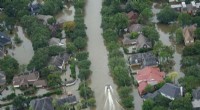
* Extreme weather events: Climate change increases the frequency and intensity of droughts, floods, wildfires, and storms, disrupting ecosystems and threatening human lives.
4. Invasive Species:
* Introduction of non-native species: Humans introduce new species through trade, travel, and other activities, which can outcompete native species, disrupt food webs, and cause ecological imbalances.
5. Overexploitation:
* Overfishing: Fishing at unsustainable rates depletes fish populations, disrupting marine ecosystems and impacting food security.
* Overhunting: Hunting and poaching can drive species to extinction, disrupting ecological balance and reducing biodiversity.
6. Resource Depletion:
* Water depletion: Overpumping groundwater, damming rivers, and diverting water for irrigation can deplete water resources, impacting ecosystems and human communities.
* Soil degradation: Intensive agriculture, deforestation, and urbanization degrade soil quality, reducing its capacity to support plant life and store carbon.
Positive Effects:
While humans have a largely negative impact on ecosystems, there are some positive effects:
* Conservation efforts: Conservation organizations work to protect threatened species, restore degraded habitats, and promote sustainable practices.
* Environmental regulations: Governments and organizations implement laws and policies to reduce pollution, manage resources, and protect ecosystems.
* Technological innovations: New technologies can be used to monitor ecosystems, develop renewable energy sources, and reduce environmental impact.
Conclusion:
Human activities have a profound and often destructive impact on ecosystems. Understanding these impacts is crucial for mitigating damage and promoting sustainable practices that protect our planet for future generations.