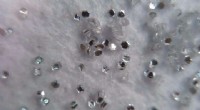
The epidermis is the outermost layer of cells covering a plant's leaves, stems, and roots. It plays a crucial role in protecting the plant and facilitating its survival. Here's how the epidermis benefits plants:
1. Protection:
* Barrier against pathogens: The epidermis acts as a physical barrier against bacteria, fungi, and viruses, preventing them from entering the plant's delicate tissues.
* Protection from water loss: The epidermis often has a waxy coating called the cuticle, which helps to reduce water loss through transpiration, especially in dry environments.
* Protection from UV radiation: Pigments like anthocyanins in the epidermis can absorb harmful ultraviolet (UV) radiation, protecting the plant from sun damage.
2. Absorption:
* Root hairs: In roots, the epidermis develops root hairs that increase surface area for the absorption of water and nutrients from the soil.
3. Gas Exchange:
* Stomata: Stomata are tiny pores in the epidermis that allow for gas exchange. Carbon dioxide enters the plant for photosynthesis, and oxygen produced during photosynthesis is released through these pores.
4. Other Functions:
* Trichomes: Some plants have specialized hairs called trichomes on their epidermis. These can deter herbivores, reduce water loss, or reflect sunlight.
* Sclerenchyma cells: In some cases, the epidermis can be reinforced by sclerenchyma cells, which provide structural support.
In summary, the epidermis is a vital tissue for plants, providing essential protection, facilitating nutrient uptake, and regulating gas exchange, ultimately contributing to the plant's survival and growth.