Physical Components:
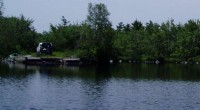
* Water: Rivers, lakes, oceans, rain, groundwater, etc.
* Air: The atmosphere, including gases like oxygen and nitrogen.
* Sunlight: Provides energy for plants and other producers.
* Soil: Made of weathered rock, decaying organic matter, and minerals.
* Rocks and Minerals: Provide structure and contribute to the soil.
* Temperature: Influences the types of organisms that can live there.
* Wind: Can affect plant growth and distribute seeds.
* Climate: Overall weather patterns that influence the ecosystem.
Human-Made Elements:
* Buildings: Roads, bridges, houses, etc.
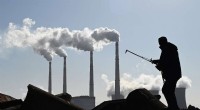
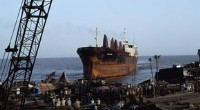
* Pollution: Air, water, and soil contamination.
* Agricultural Products: Fertilizers, pesticides, etc.
* Waste: Trash, plastic, and other human-generated waste.
Other:
* Light: Besides sunlight, artificial light from cities or streetlights.
* Fire: Natural or human-caused wildfires.
It's important to note:
* The specific nonliving components of an ecosystem will vary greatly depending on the type of ecosystem.
* Even nonliving things can have a profound impact on the living organisms within an ecosystem.
* While some nonliving components are essential for life (like water and air), others can be harmful (like pollution).
Let me know if you want to explore any of these in more detail!