Environmental Benefits:
* Water Quality: Trees help improve water quality by filtering runoff from surrounding areas. Their roots absorb nutrients and pollutants, preventing them from entering the reservoir and causing harmful algal blooms.
* Erosion Control: Tree roots help stabilize the soil and prevent erosion, which can damage the reservoir's infrastructure and impact water quality.
* Climate Regulation: Trees provide shade, reducing the amount of sunlight that reaches the reservoir, which can help regulate water temperature and prevent excessive evaporation.
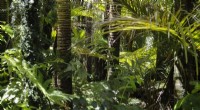
* Biodiversity: Trees provide habitat for a wide variety of wildlife, contributing to biodiversity in the area around the reservoir.
Aesthetic and Recreational Benefits:
* Scenic Beauty: Trees can enhance the visual appeal of the reservoir, creating a more enjoyable and welcoming environment for visitors.
* Recreation: Tree-lined reservoirs offer opportunities for hiking, picnicking, and other recreational activities.
Other Considerations:
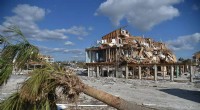
* Windbreaks: Trees can act as windbreaks, protecting the reservoir from strong winds that can cause waves and erosion.
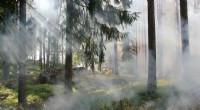
* Fire Prevention: In some cases, trees are planted as firebreaks to help prevent wildfires from spreading to the reservoir.
However, it's important to note that not all trees are suitable for planting near reservoirs. Some tree species can have negative impacts, such as shedding leaves that pollute the water or having roots that damage the reservoir's infrastructure.
Careful planning and selection of tree species are essential to ensure that the benefits of trees outweigh any potential negative impacts.