1. Revealing the Microbial World:
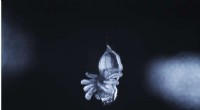
* Microorganisms: Before the microscope, the vast majority of life on Earth, the microscopic world of bacteria, fungi, protists, and viruses, remained invisible. The microscope opened up a whole new realm of life, revealing its immense diversity and importance in ecosystems.
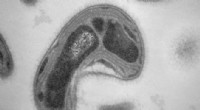
* Cellular Structure: Microscopes revealed the fundamental unit of life, the cell, and its intricate internal structures. This understanding revolutionized biology and led to the development of cell theory, a cornerstone of modern science.
* Understanding Disease: Microscopes allowed scientists to identify the microorganisms responsible for diseases, leading to the development of vaccines and antibiotics.
2. Uncovering Diversity Within Kingdoms:
* Species Identification: Microscopes enable scientists to identify different species based on their unique cellular features, even within seemingly similar organisms. This has led to a more accurate classification of life on Earth.
* Evolutionary Relationships: By examining the microscopic details of organisms, researchers can trace evolutionary relationships and understand how different life forms are related.
3. Understanding Ecosystems and Biodiversity:
* Microbial Ecology: Microscopes allow us to study the complex interactions between microorganisms in various environments, revealing their vital roles in nutrient cycling, soil formation, and maintaining ecosystem health.
* Biodiversity Mapping: By studying the microscopic organisms in different habitats, scientists can create a more detailed map of Earth's biodiversity, including unseen and previously unknown species.
4. Advances in Research and Technology:
* Molecular Biology: The development of electron microscopes and other advanced imaging techniques has allowed us to visualize even smaller structures within cells, furthering our understanding of molecular processes and the workings of life.
* Biomedical Research: Microscopes are essential tools in biomedical research, enabling the study of diseases, development of new drugs, and understanding the mechanisms of life.
In Conclusion:
The microscope has transformed our understanding of life on Earth. It unveiled a hidden world of microscopic organisms, revealed the intricacies of cellular structure, and provided tools for studying the diversity and interconnectivity of life. This ongoing exploration using microscopy continues to expand our knowledge and reveal the astonishing diversity of life on our planet.