Physical Factors:
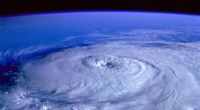
* Climate: Temperature, rainfall, humidity, sunlight, wind patterns.
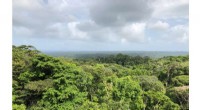
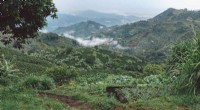
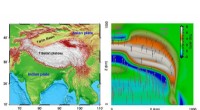
* Topography: Altitude, slope, terrain features (mountains, valleys, plains).
* Soil: Type (clay, sand, loam), nutrients, pH level, water retention.
* Water availability: Freshwater, saltwater, seasonal availability.
* Light availability: Amount of sunlight, shade.
Biological Factors:
* Food sources: Availability of plants, animals, or other food items.
* Predators: Animals that hunt the plant or animal.
* Competitors: Other plants or animals competing for the same resources.
* Symbiotic relationships: Beneficial relationships with other species (e.g., pollination, mutualism).
* Disease and parasites: Organisms that cause harm.
Example:
* A desert cactus thrives in a hot, arid climate with sandy soil and minimal rainfall. It has adapted to store water and withstand harsh conditions.
* A polar bear lives in a cold, icy environment with abundant seals. Its thick fur, blubber, and sharp claws are adaptations for survival in this habitat.
Important Note: A species' natural environment isn't just its physical surroundings; it also encompasses the complex web of interactions with other living organisms. Understanding these factors is crucial for conservation efforts and ensuring the survival of plants and animals in their natural habitats.