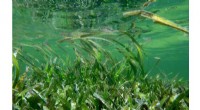
1. Biotic Factors: These are the living things in an ecosystem, such as:
* Plants: Producers that create their own food through photosynthesis.
* Animals: Consumers that eat other organisms for energy.
* Decomposers: Organisms like fungi and bacteria that break down dead organic matter.
2. Abiotic Factors: These are the non-living components of an ecosystem, such as:
* Water: Essential for all living things.
* Sunlight: Provides energy for plants.
* Temperature: Affects the types of organisms that can survive in an area.
* Soil: Provides nutrients and support for plants.
* Air: Contains gases needed for respiration.
* Rocks and minerals: Contribute to soil composition.
The interplay between biotic and abiotic factors creates a complex and interconnected web of life. Living organisms depend on the non-living components for survival, and the non-living components are influenced by the activities of living things. For example, plants need sunlight and water to grow, while animals rely on plants for food.
Therefore, while ecosystems are comprised of both living and non-living elements, it's crucial to understand that both biotic and abiotic factors are essential for the functioning and stability of the ecosystem.