Here's a breakdown of the main drivers:
* Habitat Loss and Degradation: This is the leading cause, driven by:
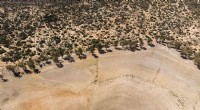
* Deforestation: Clearing forests for agriculture, logging, and urbanization.
* Land Use Change: Converting natural habitats to farmland, settlements, and infrastructure.
* Pollution: Contamination of air, water, and soil with chemicals, waste, and other pollutants.
* Climate Change: The changing climate alters ecosystems, leading to:
* Extreme weather events: Droughts, floods, and storms.
* Temperature and precipitation changes: Shifting ranges of species, and disrupting ecological processes.
* Ocean acidification: Harmful to marine life.
* Overexploitation: Harvesting resources faster than they can replenish, including:
* Overfishing: Depleting fish stocks.
* Hunting and poaching: Driving species to extinction.
* Overgrazing: Degrading grasslands.
* Invasive Species: Introduced species that outcompete native ones, disrupting ecosystems.
* Pollution: Contamination of air, water, and soil with chemicals, waste, and other pollutants.
Other factors:
* Disease: Spread of diseases can impact populations, particularly in already stressed ecosystems.
* Genetic pollution: Interbreeding between wild and domesticated populations, reducing genetic diversity.
It's important to note that these factors often interact, creating complex and challenging scenarios for biodiversity conservation.