Terrestrial ecosystems encompass all the living organisms and their physical environment within a specific land area. They are distinct from aquatic ecosystems, which focus on water-based life. These ecosystems are characterized by their unique biotic (living) and abiotic (non-living) components, which interact in complex ways.
Biotic Components:
* Producers: Plants that utilize sunlight to create energy through photosynthesis, forming the base of the food chain.
* Consumers: Herbivores, carnivores, and omnivores that rely on other organisms for food.
* Decomposers: Bacteria and fungi that break down dead organic matter, returning nutrients to the soil.
Abiotic Components:
* Climate: Temperature, precipitation, sunlight, and wind patterns influence the distribution and abundance of organisms.
* Soil: Provides nutrients, water, and physical support for plants.
* Topography: Landforms, such as mountains, valleys, and slopes, affect microclimates and habitat diversity.
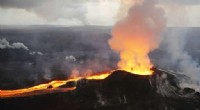
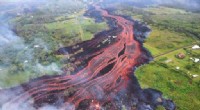
* Natural disasters: Fires, floods, and volcanic eruptions can shape ecosystems and alter their structure.
Types of Terrestrial Ecosystems:
Terrestrial ecosystems are categorized by their climate, vegetation, and animal life. Some major examples include:
* Forests: Dominated by trees, with high biodiversity and significant roles in carbon sequestration and water cycling. Examples: rainforests, temperate forests, boreal forests.
* Grasslands: Characterized by grasses and herbaceous plants, with grazing animals and open landscapes. Examples: prairies, savannas, steppes.
* Deserts: Arid regions with sparse vegetation, adapted to extreme temperatures and limited water availability. Examples: hot deserts, cold deserts.
* Tundra: Cold, treeless ecosystems with permafrost and low-lying vegetation. Examples: arctic tundra, alpine tundra.
Importance of Terrestrial Ecosystems:
* Provide essential resources: Food, water, timber, and other materials for human life.
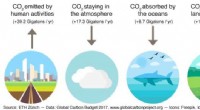
* Regulate climate: Absorb carbon dioxide and release oxygen, influencing global temperatures and weather patterns.
* Support biodiversity: Host a wide range of species, contributing to global biodiversity and ecosystem stability.
* Offer recreational opportunities: Provide spaces for recreation, tourism, and cultural activities.
Threats to Terrestrial Ecosystems:
* Habitat loss and fragmentation: Due to human activities such as agriculture, urbanization, and deforestation.
* Climate change: Altering temperature and precipitation patterns, impacting ecosystems and species distribution.
* Pollution: Air, water, and soil contamination can harm organisms and disrupt ecosystem functions.
* Invasive species: Introduction of non-native species can disrupt native populations and ecosystem balance.
Conservation Efforts:
Protecting and restoring terrestrial ecosystems is crucial for maintaining biodiversity, regulating climate, and ensuring human well-being. This involves:
* Protected areas: Establishing national parks, reserves, and other protected areas.
* Sustainable land management practices: Implementing practices that minimize environmental impact and conserve resources.
* Reforestation and habitat restoration: Planting trees and restoring degraded ecosystems.
* Conservation education and public awareness: Raising awareness about the importance of terrestrial ecosystems and promoting responsible behavior.
Understanding terrestrial ecosystems is essential for appreciating the interconnectedness of life on Earth and taking responsible actions to conserve these vital resources for future generations.