Direct Erosion:
* Plants:
* Roots: While roots help stabilize soil, large tree roots can crack and break apart rock, paving the way for erosion. They can also disrupt slopes, making them vulnerable to landslides.
* Burrowing: Animals like moles, gophers, and earthworms burrow into the ground, loosening soil and making it more susceptible to wind and water erosion.
* Grazing: Overgrazing by livestock can remove vegetation cover, exposing soil to wind and water. This leads to topsoil loss and desertification.
* Animals:
* Hoof Prints: The impact of animal hooves can compact soil, reducing its ability to absorb water and increasing runoff.
* Burrowing: As mentioned before, burrowing animals disrupt soil structure and make it vulnerable to erosion.
* Trampling: The constant movement of animals can trample vegetation and expose soil. This is especially impactful in areas with high animal density.
Indirect Erosion:
* Vegetation:
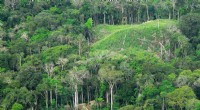
* Deforestation: Removing trees and vegetation reduces the soil's ability to absorb water, leading to increased runoff and erosion.
* Changes in Water Cycle: Vegetation plays a crucial role in the water cycle, intercepting rainfall and slowing down runoff. Deforestation disrupts this process, leading to increased erosion.
* Animals:
* Pests: Insect infestations can damage trees and vegetation, weakening them and making them more prone to wind and water erosion.
* Herbivores: Large herds of herbivores can overgraze vegetation, leading to bare soil that's vulnerable to erosion.
Examples of Erosion by Living Things:
* Grand Canyon: The Colorado River is a major contributor to the Grand Canyon's formation, but the roots of ancient trees and the burrowing of animals also played a significant role in eroding the canyon walls.
* Coastal Erosion: Seabirds and mammals that live on coastal cliffs can contribute to erosion by digging burrows and nesting, weakening the cliffs.
* Soil Loss: The deforestation of rainforests and the overgrazing of grasslands are major contributors to soil loss and erosion worldwide.
Mitigation Strategies:
* Reforestation: Planting trees and restoring vegetation can help prevent erosion by stabilizing soil and increasing water infiltration.
* Sustainable Grazing: Rotating livestock, limiting grazing pressure, and allowing vegetation to regenerate can help prevent overgrazing.
* Conservation Tillage: Minimizing soil disturbance through techniques like no-till farming can help preserve soil structure and reduce erosion.
In conclusion, living organisms play a complex and crucial role in erosion processes. While some living things contribute to erosion, others help mitigate it. Understanding these interactions is essential for managing ecosystems and promoting sustainability.