The Earth's surface is incredibly diverse, encompassing a wide range of ecosystems that support a vast array of life. These ecosystems are defined by their unique climate, geography, and species composition.
Here's a breakdown of the major global ecosystems:
Terrestrial Ecosystems:
* Forests:
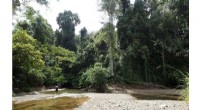
* Tropical Rainforests: Found near the equator, characterized by high rainfall, dense vegetation, and incredible biodiversity.
* Temperate Deciduous Forests: Found in mid-latitudes, characterized by seasonal changes, broad-leaved trees, and a diverse animal population.
* Boreal Forests (Taiga): Found in high latitudes, characterized by coniferous trees, cold winters, and relatively low biodiversity.
* Grasslands:
* Savannas: Found in tropical and subtropical regions, characterized by scattered trees, grasses, and large herbivores.
* Temperate Grasslands: Found in mid-latitudes, characterized by tall grasses, seasonal rainfall, and grazing animals.
* Steppe: A type of temperate grassland found in dry regions, with sparse vegetation and harsh winters.
* Deserts:
* Hot Deserts: Found in low latitudes, characterized by extreme temperatures, low rainfall, and specialized adaptations among plant and animal life.
* Cold Deserts: Found in high latitudes, characterized by cold temperatures, low rainfall, and sparse vegetation.
* Tundra:
* Arctic Tundra: Found in the Arctic region, characterized by permafrost, low temperatures, and short growing seasons.
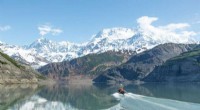
* Alpine Tundra: Found on high mountains, characterized by cold temperatures, low rainfall, and specialized plant life.
Aquatic Ecosystems:
* Marine Ecosystems:
* Oceans: Cover most of the Earth's surface, characterized by salt water, diverse marine life, and vast depths.
* Coral Reefs: Found in warm, clear, shallow water, characterized by a high diversity of coral species and associated marine life.
* Estuaries: Found where freshwater rivers meet saltwater, characterized by a mix of salinity and high productivity.
* Freshwater Ecosystems:
* Lakes: Found in inland areas, characterized by freshwater, diverse plant and animal life, and varying depths.
* Rivers and Streams: Found flowing through land, characterized by freshwater, changing currents, and a diverse fish population.
* Wetlands: Found in areas with standing water, characterized by diverse plant life, high biodiversity, and important water filtration roles.
Other Ecosystems:
* Urban Ecosystems: Created by human activity, characterized by a high density of buildings, infrastructure, and human populations.
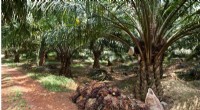
* Agricultural Ecosystems: Created for food production, characterized by monocultures, intensive farming practices, and modified landscapes.
Interconnections and Importance:
These ecosystems are interconnected and rely on each other for various factors, including nutrient cycling, climate regulation, and biodiversity maintenance. Each ecosystem plays a vital role in the Earth's functioning and the well-being of humanity. It's crucial to understand and protect these diverse ecosystems for the health of our planet and future generations.
This is just a basic overview. Each ecosystem has numerous sub-categories and variations depending on location, specific climate conditions, and other factors. Studying these ecosystems is vital for understanding the Earth's biodiversity, its complex processes, and how we can best manage and protect them for the future.