Positive Impacts:
* Soil Improvement: Proper agricultural practices, such as crop rotation, cover cropping, and organic farming, can help improve soil structure, fertility, and water retention. This leads to healthier soil that can support more productive agriculture.
* Erosion Control: Contour farming, terracing, and other conservation practices can help prevent soil erosion by wind and water, protecting the land from degradation.
* Reforestation: Some agricultural practices, such as agroforestry, integrate trees into the farming system. This helps restore forest cover, sequester carbon, and prevent soil erosion.
Negative Impacts:
* Soil Degradation: Intensive agricultural practices, like monoculture and excessive tillage, can lead to soil degradation, including loss of organic matter, nutrient depletion, and compaction. This can reduce soil fertility and water retention, making it harder to grow crops.
* Erosion: Unprotected fields are vulnerable to erosion by wind and water, leading to soil loss and sedimentation in waterways. This can damage ecosystems, reduce water quality, and impact agricultural productivity.
* Pollution: Agricultural activities can contribute to soil pollution through the use of pesticides, fertilizers, and herbicides. These chemicals can leach into groundwater, contaminate surface water, and harm wildlife.
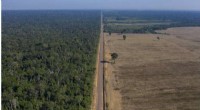
* Land Conversion: Expanding agricultural lands often leads to deforestation and habitat loss. This can disrupt ecosystems, contribute to climate change, and impact biodiversity.
* Salinization: In arid and semi-arid regions, excessive irrigation can lead to soil salinization, making it difficult to grow crops.
Mitigating Negative Impacts:
* Sustainable Agriculture: Adopting sustainable agricultural practices, such as organic farming, agroforestry, and conservation tillage, can minimize the negative impacts of agriculture on the lithosphere.
* Reduced Chemical Use: Minimizing the use of pesticides, fertilizers, and herbicides can reduce soil pollution and promote healthier ecosystems.
* Soil Conservation Practices: Implementing soil conservation techniques, such as no-till farming, cover cropping, and terracing, can prevent soil erosion and maintain soil health.
* Land Use Management: Promoting responsible land use practices, including protecting forests and wetlands, can mitigate the negative impacts of agriculture on the lithosphere.
Overall, agriculture has a complex relationship with the lithosphere. While it can be a source of positive impacts, it also has the potential to cause significant degradation. Adopting sustainable practices and responsible land management are crucial for minimizing the negative impacts of agriculture on the lithosphere and ensuring the long-term health of our planet.