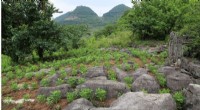
* Physical Expansion: As tree roots grow, they expand in size, putting pressure on surrounding rocks. This pressure can be significant, especially for large, robust root systems.
* Wedging Action: Roots often grow into cracks and fissures in rocks. As the roots grow larger, they wedge the rock apart, creating larger cracks and crevices. Imagine a tree root as a tiny, but persistent, jackhammer.
* Leverage: Roots can leverage themselves against rocks. If a root encounters a rock in its path, it can use its own growth force to pry the rock loose, especially if the rock is already fractured or weakened.
* Root Growth in Existing Cracks: Existing cracks in rocks are particularly vulnerable to root invasion. Once a root gets inside, it can further widen the crack and create new fractures.
* Combined Forces: The combined forces of pressure, wedging, and leverage can eventually break down rocks into smaller pieces. These smaller pieces are then more easily transported by wind, water, or other weathering processes.
Examples:
* Cracking pavements: Have you ever seen a tree root pushing up a sidewalk or a driveway? This is a clear example of how tree roots can exert significant pressure on rock and cause it to break.
* Erosion on hillsides: Tree roots play a key role in soil erosion on hillsides. Roots break down rocks, creating soil that can be easily washed away by rain.
* Formation of caves: Over long periods, tree roots can contribute to the formation of caves by widening cracks in rock formations.
Note:
While mechanical weathering by tree roots can be a significant force in breaking down rock, it is often a slow process that occurs over many years or even centuries. It's part of the natural cycle of weathering and erosion that shapes our landscapes.