1. Climate:
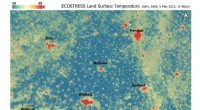
* Temperature: Different plants have different temperature tolerances. Some thrive in hot climates (tropical rainforests), while others are adapted to cold temperatures (tundra).
* Rainfall: The amount of rainfall significantly influences vegetation. Abundant rain supports lush forests (rainforests, temperate forests), while drier regions have grasslands, deserts, and savannas.
* Sunlight: Sunlight intensity and duration directly influence plant growth and distribution.
* Seasons: Distinct seasons with varying temperature and rainfall patterns lead to different vegetation types.
2. Latitude:
* Distance from the equator: As you move away from the equator, the amount of solar radiation decreases, resulting in colder temperatures and varying rainfall patterns. This influences the type of vegetation that can survive.
3. Altitude:
* Elevation: As you ascend in altitude, temperatures decrease, and the amount of sunlight and rainfall changes. This creates distinct vertical vegetation zones, often resembling the changes seen with latitude.
4. Soil:
* Nutrient content: Different plants require different nutrients from the soil. Rich soil supports diverse vegetation, while infertile soil limits plant growth.
* Soil texture: Soil texture (sand, clay, loam) impacts water drainage and nutrient availability, which influences plant species.
* pH: Soil acidity or alkalinity can affect the availability of nutrients and limit certain plants.
5. Topography:
* Terrain: Mountain ranges, valleys, and coastal regions create different microclimates and soil conditions, influencing the type of vegetation.
* Water bodies: Proximity to oceans, lakes, and rivers impacts rainfall and humidity, affecting plant life.
6. Biotic Factors:
* Animals: Herbivores, insects, and other animals can influence plant distribution through grazing, pollination, and seed dispersal.
* Competition: Plants compete for resources like sunlight, water, and nutrients, influencing the composition of plant communities.
7. Human Influence:
* Land use: Deforestation, agriculture, urbanization, and other human activities alter vegetation patterns.
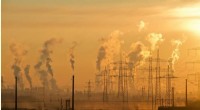
* Pollution: Air and water pollution can negatively impact plant growth and diversity.
In conclusion, the variation in vegetation across the Earth is the result of a complex interplay of climate, latitude, altitude, soil, topography, biotic factors, and human influences. Each factor contributes to the unique and diverse plant communities we see across the globe.