Natural processes are events that occur in nature without human intervention. They are governed by natural laws and occur on a variety of scales, from the microscopic to the global. Here are some examples:
Geological Processes:
* Weathering: The breakdown of rocks, soil, and minerals through physical and chemical processes. Examples include wind erosion, freezing/thawing cycles, and acid rain.
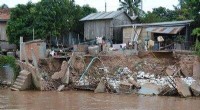
* Erosion: The movement of weathered material by wind, water, or ice. Examples include sand dunes, riverbeds, and glaciers carving valleys.
* Volcanism: The eruption of molten rock (magma) from the Earth's interior. Examples include volcanic eruptions, lava flows, and ash plumes.
* Plate Tectonics: The movement of the Earth's tectonic plates, leading to earthquakes, volcanoes, and mountain formation. Examples include the San Andreas Fault, the Mid-Atlantic Ridge, and the Himalayas.
* Sedimentation: The deposition of sediments (sand, silt, clay) by water, wind, or ice. Examples include river deltas, sandbars, and glacial moraines.
Hydrological Processes:
* Water Cycle: The continuous movement of water on, above, and below the surface of the Earth. Examples include evaporation, condensation, precipitation, and runoff.
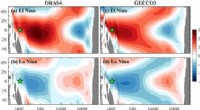
* Ocean Currents: The movement of water masses in the ocean, influenced by wind, temperature, and salinity. Examples include the Gulf Stream, the El Niño-Southern Oscillation (ENSO), and the Antarctic Circumpolar Current.
* Tides: The rise and fall of sea levels caused by the gravitational pull of the moon and sun.
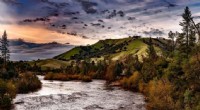
* River Flow: The movement of water in rivers, influenced by precipitation, topography, and human activities.
Biological Processes:
* Photosynthesis: The process by which plants use sunlight to convert carbon dioxide and water into sugars and oxygen.
* Respiration: The process by which organisms break down sugars to release energy.
* Decomposition: The breakdown of dead organic matter by bacteria and fungi.
* Evolution: The gradual change in the genetic makeup of a population over time.
* Migration: The seasonal movement of animals from one region to another.
Atmospheric Processes:
* Weather: The state of the atmosphere at a particular time and place, including temperature, precipitation, wind, and humidity.
* Climate: The long-term average weather patterns in a region.
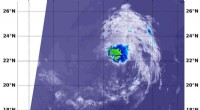
* Hurricanes: Powerful storms that form over warm ocean waters.
* Tornadoes: Violent rotating columns of air that touch the ground.
These are just a few examples of natural processes. There are many others occurring all the time, shaping the planet we live on.
Important note: While natural processes are fascinating and powerful, they can also have devastating consequences. Humans are increasingly impacting natural processes, and it's important to understand how our actions affect the environment.