1. Physical Elements:
* Landforms: These are the natural shapes and features of the Earth's surface, including:
* Mountains: High, elevated land masses with steep slopes.
* Hills: Rounded, elevated land masses with gentler slopes.
* Valleys: Depressions in the land, often carved by rivers.
* Plateaus: Flat, elevated areas of land.
* Plains: Flat or gently sloping areas of land.
* Canyons: Deep, narrow valleys often formed by rivers.
* Deserts: Dry, arid regions with sparse vegetation.
* Oceans: Vast bodies of salt water covering the majority of the Earth's surface.
* Lakes: Bodies of water surrounded by land.
* Rivers: Flowing bodies of water that carve valleys and transport sediment.
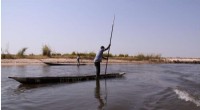
* Water Features: These include:
* Oceans: Vast bodies of salt water covering the majority of the Earth's surface.
* Lakes: Bodies of water surrounded by land.
* Rivers: Flowing bodies of water that carve valleys and transport sediment.
* Streams: Smaller, flowing bodies of water.
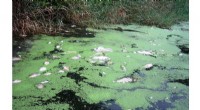
* Swamps: Areas of waterlogged land covered by vegetation.
* Wetlands: Areas that are saturated with water for at least part of the year.
* Climate: The long-term weather patterns of a region, including temperature, precipitation, and wind.
* Soil: The uppermost layer of the Earth's surface, composed of weathered rock, organic matter, and living organisms.
* Vegetation: The plant life of a region, including trees, shrubs, grasses, and flowers.
* Rock Formations: Naturally occurring formations of rock, such as cliffs, caves, and rock arches.
2. Cultural Elements:
* Human Structures: Buildings, roads, bridges, fences, and other man-made features.
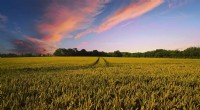
* Land Use: The ways in which humans use the land, such as for agriculture, forestry, mining, or recreation.
* Cultural Landscapes: Landscapes that have been shaped by human activity, such as agricultural fields, villages, and cities.
* Historical Sites: Places with significant historical or cultural value, such as battlefields, ruins, and monuments.
It's important to note that these elements are interconnected and influence each other. For example, the climate of a region can affect the types of plants and animals that live there, which in turn can influence the landforms and soil. Humans also play a significant role in shaping landscapes, through activities such as agriculture, urbanization, and resource extraction.
Understanding the elements of landscape is crucial for studying geography, ecology, environmental science, and other fields. It also helps us appreciate the beauty and diversity of the natural world and understand the impact of human activity on the environment.