Here's a breakdown of what it includes:
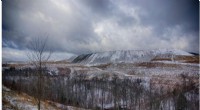
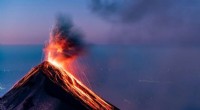
1. Landforms: This includes mountains, valleys, hills, plateaus, plains, canyons, deserts, and coastlines. They are formed by various geological processes like tectonic activity, erosion, and weathering.
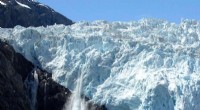
2. Water Features: Rivers, lakes, oceans, glaciers, and wetlands are all part of a physical landscape. They play a crucial role in shaping the land through erosion and deposition.
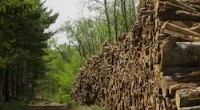
3. Vegetation: Forests, grasslands, tundras, and deserts are all examples of vegetation that contribute to the physical landscape. They influence the soil, water, and climate of an area.
4. Climate: The temperature, precipitation, and wind patterns of a region impact the development of its physical landscape.
5. Soil: The composition and properties of the soil influence the types of plants and animals that can thrive in an area.
6. Geology: The underlying rock formations and geological structures shape the physical landscape.
Examples of Physical Landscapes:
* The Grand Canyon: A dramatic canyon carved by the Colorado River over millions of years.
* The Amazon Rainforest: A vast expanse of lush vegetation and waterways, home to incredible biodiversity.
* The Himalayas: A towering mountain range formed by tectonic activity.
* The Sahara Desert: An arid expanse with sand dunes and rocky plateaus.
Understanding the Physical Landscape is crucial for:
* Environmental Management: It helps us understand natural processes and how to manage resources sustainably.
* Urban Planning: It informs decisions about where to build cities and infrastructure.
* Resource Management: It helps us locate and manage natural resources like water and minerals.
* Tourism: It provides a foundation for understanding and appreciating natural beauty.
By studying the physical landscape, we gain a deeper understanding of the Earth's complex and dynamic systems.