Natural Features:
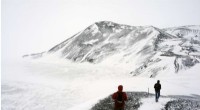
* Origin: Formed by natural processes, such as geological formations, weather, and biological activity.
* Examples: Mountains, rivers, forests, deserts, oceans, volcanoes, caves.
* Purpose: Exist independently of human influence and serve various ecological roles.
* Characteristics: Often exhibit complex patterns and structures shaped by natural forces over time.
Man-made Features:
* Origin: Created by human activities, using tools, materials, and technologies.
* Examples: Buildings, roads, bridges, dams, parks, statues, cities, internet infrastructure.
* Purpose: Designed and constructed to fulfill specific human needs, desires, or goals.
* Characteristics: Typically exhibit regular shapes, straight lines, and standardized designs.
Here's a table summarizing the differences:
| Feature Type | Origin | Examples | Purpose | Characteristics |
|---|---|---|---|---|
| Natural | Natural processes | Mountains, rivers, forests, deserts, oceans, volcanoes, caves | Ecological roles | Complex patterns, structures shaped by nature |
| Man-made | Human activities | Buildings, roads, bridges, dams, parks, statues, cities, internet infrastructure | Human needs and goals | Regular shapes, straight lines, standardized designs |
It's important to note that there can be a blurry line between natural and man-made features:
* Modified landscapes: Humans often modify natural landscapes for their own use, like farming, urbanization, or resource extraction.
* Artificial ecosystems: Humans create artificial environments like fish ponds, greenhouses, and urban parks. These are often designed to mimic natural environments but have a clear human influence.
Therefore, understanding the context and degree of human intervention is crucial when classifying a feature as natural or man-made.