1. Naturally Occurring and Finite: Land is a naturally occurring element of the Earth's surface. It's not something humans create, and the total amount of land available is finite. This finiteness makes it a valuable and limited resource.
2. Provides Essential Services: Land provides a wide range of essential services that are critical for human life and the environment:
* Agriculture: Land provides the base for growing crops and raising livestock, providing food, fiber, and other agricultural products.
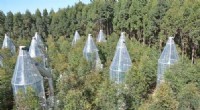
* Forestry: Forests are essential for timber, paper, oxygen production, and biodiversity.
* Water Resources: Land plays a crucial role in the water cycle. It absorbs rainfall, filters water, and provides areas for water storage.
* Mineral Resources: Land contains mineral deposits that are essential for construction, energy production, and various industrial processes.
* Habitat: Land provides habitats for countless plant and animal species, supporting biodiversity and ecological balance.
3. Basis for Infrastructure and Development: Land is the foundation upon which all human infrastructure is built, including roads, buildings, cities, and industries. Its availability and suitability greatly influence the development of societies.
4. Cultural and Recreational Value: Land has immense cultural and recreational value. It provides spaces for parks, recreation, tourism, and spiritual connection.
5. Economic Value: Land has significant economic value. It is bought, sold, leased, and used for various commercial purposes. Its value is influenced by factors like location, resources, and potential for development.
Important Note: While land is a natural resource, its use and management are deeply intertwined with human activities. How we use and protect land directly impacts its availability, quality, and long-term sustainability. Responsible land management is crucial for ensuring that this vital resource continues to provide benefits for present and future generations.