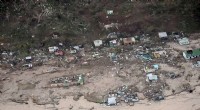
Here's how:
Reducing Erosion:
* Root Systems: Tree and plant roots act like a natural anchor, binding soil together and preventing it from being washed or blown away by wind and rain.
* Canopy Cover: Leaves and branches of trees intercept rainfall, slowing it down and reducing its erosive force.
* Litter: Fallen leaves, branches, and other plant debris form a protective layer on the soil surface, absorbing water and slowing down runoff, thus reducing erosion.
Reducing Deposition:
* Windbreaks: Trees and shrubs planted in rows act as windbreaks, slowing down wind speeds and reducing the amount of dust and sediment deposited in areas like agricultural fields or near roads.
* Water Filtration: Plants and trees filter water as it flows through them, trapping sediment and pollutants before they reach waterways.
* Stabilization: Trees and plants help stabilize riverbanks and shorelines, preventing erosion and sedimentation in waterways.
Overall, trees and plants act as a natural defense against both erosion and deposition, contributing to a healthy and balanced ecosystem. They play a crucial role in maintaining soil fertility, protecting water quality, and mitigating the effects of climate change.