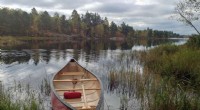
A forest ecosystem is a complex and vibrant web of life, encompassing all living organisms and their physical environment within a forested area. It's characterized by a diverse range of interactions between:
1. The Biotic Components:
* Trees: The dominant life form, providing structure, shade, and resources for countless other organisms. Each species has unique characteristics influencing the ecosystem.
* Plants: A vast array of herbs, ferns, shrubs, vines, and flowers, contributing to the forest's biodiversity and nutrient cycles.
* Animals: From tiny insects to majestic mammals, each plays a crucial role in the food web, pollination, seed dispersal, and other essential processes.
* Microorganisms: Bacteria, fungi, and other microscopic life forms decompose organic matter, recycle nutrients, and facilitate plant growth.
2. The Abiotic Components:
* Climate: Temperature, precipitation, humidity, and sunlight levels all influence the type of forest and the organisms it can support.
* Soil: The foundation of the forest, providing nutrients, water retention, and habitat for soil organisms.
* Water: Essential for life, influencing plant growth, nutrient transport, and the movement of animals.
* Air: Provides oxygen for respiration, and is affected by the forest's carbon dioxide uptake and release.
* Sunlight: The energy source that drives photosynthesis and fuels the entire ecosystem.
Key Features of a Forest Ecosystem:
* Biodiversity: Forests are among the most biodiverse ecosystems, with a vast array of species interacting in complex ways.
* Nutrient Cycling: A constant flow of nutrients from dead organic matter to living organisms and back again, ensuring the sustainability of the ecosystem.
* Food Webs: Interconnected food chains forming a web of predator-prey relationships, demonstrating the dependence of organisms on each other.
* Carbon Sequestration: Forests absorb large amounts of carbon dioxide from the atmosphere, playing a vital role in mitigating climate change.
* Habitat Provision: Forests offer shelter, food, and breeding grounds for countless species, contributing to their conservation.
Importance of Forest Ecosystems:
* Regulating Climate: Forests play a key role in absorbing carbon dioxide and releasing oxygen, moderating climate change.
* Maintaining Biodiversity: They provide habitat for a vast array of species, contributing to global biodiversity.
* Protecting Water Resources: Forests regulate water flow, prevent soil erosion, and improve water quality.
* Supporting Human Communities: Forests provide timber, food, medicinal plants, and other resources vital to human well-being.
Understanding the intricacies of forest ecosystems is crucial for their conservation and sustainable use. By acknowledging the interconnectedness of life within these vital habitats, we can ensure their continued existence for future generations.