1. Natural Disturbances: These are events that occur naturally and can drastically alter an ecosystem's structure and function. Examples include:
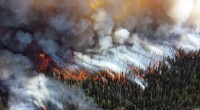
* Wildfires: While often destructive, wildfires can also be beneficial by clearing out underbrush and allowing for the growth of fire-adapted species.
* Floods: Can reshape landscapes, deposit sediment, and change water flow patterns.
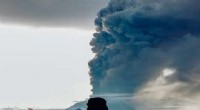
* Volcanic eruptions: Can create new land and release ash and gases that affect the atmosphere and soil composition.
* Droughts: Prolonged periods of low rainfall can stress plants and animals, leading to changes in species composition.
* Hurricanes: High winds and heavy rainfall can cause extensive damage, uproot trees, and alter coastlines.
2. Human Activities: Human activities can also have significant impacts on ecosystems, often leading to changes that are detrimental:
* Habitat loss and fragmentation: Clearing land for agriculture, urbanization, and development destroys habitats and isolates populations, reducing biodiversity.
* Pollution: Air, water, and soil pollution can harm plants and animals, disrupt food chains, and alter ecosystem processes.
* Climate change: Changes in temperature, precipitation, and weather patterns can shift species ranges, alter plant communities, and lead to habitat loss.
* Invasive species: The introduction of non-native species can disrupt food webs, outcompete native species, and cause ecological imbalances.
* Overexploitation: Overfishing, excessive hunting, and deforestation can lead to the decline and extinction of species, altering ecosystem dynamics.
These are just a few examples, and it's important to note that ecosystems are complex and dynamic, with many interconnected factors at play.