1. Landscape Ecology: This is a branch of ecology that studies the spatial patterns and processes of ecosystems. It focuses on the relationships between the physical environment, living organisms, and human activities at a large spatial scale. Examples of landscape features studied include:
* Habitat fragmentation: How the division of continuous habitats into smaller, isolated patches affects biodiversity.
* Landscape connectivity: The extent to which different parts of a landscape are connected, which influences movement of organisms and spread of species.
* Land use change: How human activities, such as agriculture and urbanization, modify the landscape and its ecological functioning.
2. Molecular Landscape: This term is used in fields like genetics and bioinformatics to describe the overall pattern of genetic variation within a population or species. It refers to the distribution of different alleles (versions of a gene) across the genome, and how they vary across individuals and populations.
* Genomic landscapes: These refer to the overall structure and organization of an organism's genome, including the location and arrangement of genes.
* Mutation landscapes: This term describes the distribution of mutations across the genome, which can be used to understand the evolutionary history of a species or the causes of genetic diseases.
3. Landscape Architecture: While not strictly a scientific field, landscape architecture uses scientific principles to design outdoor spaces. This includes understanding the relationships between plants, soils, water, and human activities to create aesthetically pleasing and functional landscapes.
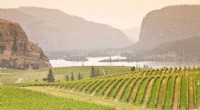
4. Physical Landscapes: In geology and geography, "landscape" refers to the visible features of a region, including landforms, vegetation, and water bodies. This includes things like:
* Mountain ranges: Formed by tectonic plate movement.
* Rivers and lakes: Formed by erosion and deposition.
* Glacial landscapes: Shaped by the movement of ice sheets.
5. Other Scientific Contexts: The term "landscape" can also be used in other contexts, such as:
* Cellular landscape: Describes the spatial organization of proteins and other molecules within a cell.
* Information landscape: Refers to the vast amount of data and information available online and how it is organized and accessed.
In summary, "landscape" is a versatile term in science with a wide range of meanings. The specific definition depends on the context and field of study.