1. Embryo: The embryo is the future plant, containing a rudimentary root, stem, and leaves. It's the core of the seed and its development is directly impacted by environmental cues.
2. Endosperm: This is a nutrient-rich tissue that provides food for the developing embryo. The type and amount of nutrients stored in the endosperm can vary depending on the plant species and environmental conditions.
3. Seed coat: This protective outer layer safeguards the embryo and endosperm from damage and desiccation. It can also play a role in regulating water absorption and gas exchange, which are crucial for germination.
Here's how these components respond to the environment:
* Water: When water is absorbed, it triggers the embryo to begin growth. The seed coat may contain a layer called the "endosperm," which regulates water absorption and prevents germination in dry conditions.
* Temperature: Most seeds have a specific temperature range for germination. Some require cold stratification (exposure to low temperatures) to break dormancy.
* Light: Some seeds require light to germinate, while others need darkness. This response helps ensure germination occurs in suitable conditions, such as when the seed is exposed to sunlight on the soil surface.
* Oxygen: Germination requires oxygen for cellular respiration, which is the process that provides energy for growth.
* Hormones: Seeds contain hormones that regulate various aspects of development, such as germination, dormancy, and growth. These hormones are also influenced by environmental cues.
Examples of environmental responses:
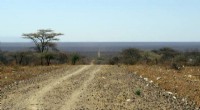
* Desert plants: Seeds of desert plants might remain dormant for extended periods until sufficient rainfall triggers germination.
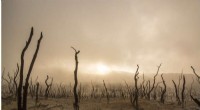
* Forest trees: Seeds of some trees may require exposure to fire or smoke before they will germinate, ensuring they establish themselves in a clear, sun-drenched environment.
* Annual plants: Seeds of annual plants may germinate only in the spring when temperatures are warm enough, guaranteeing that the plant has time to mature and produce seeds before winter.
In essence, the seed's ability to respond to the environment ensures that it will only germinate when conditions are optimal for its survival and growth.